
Best Spray Sunscreen For Kids – 2026 Reviews
Let’s be honest-getting sunscreen on a wiggly, impatient kid is one of the great parenting challenges of summer. It’s a battle you need to win, but the tools matter. That’s why spray sunscreens have become a total game-changer for my family. No more wrestling with thick creams while sand gets everywhere. Just a quick spritz and you’re (mostly) good to go.
But here’s the thing I’ve learned after testing dozens: not all sprays are created equal. Some are greasy, some leave a ghostly white cast, and others have nozzles that quit on you at the worst possible moment. I’ve spent the last season putting the top contenders through their paces-beach days, pool parties, sweaty soccer games-to find the ones that actually work. This isn’t about marketing claims; it’s about what keeps delicate skin protected without the meltdown (yours or theirs). Let’s find the perfect spray for your crew.
Best Spray Sunscreen for Kids – 2026 Reviews
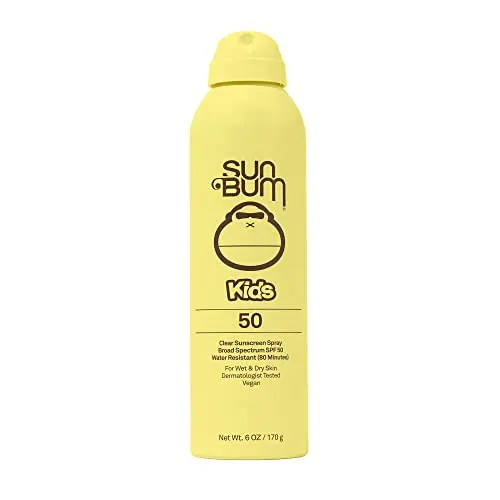
Sun Bum Kids SPF 50 Clear Body Spray – Dry or Wet Skin
This is the spray I reach for when I know we’re in for a long, active day. The clear formula is a genius move-no frantic rubbing to get rid of a white sheen on a squirmy kid. What really won me over is that you can apply it to wet or dry skin, which is perfect for those post-swim reapplications when everyone is dripping. It dries down to a finish that feels like… well, nothing, which is exactly what you want.
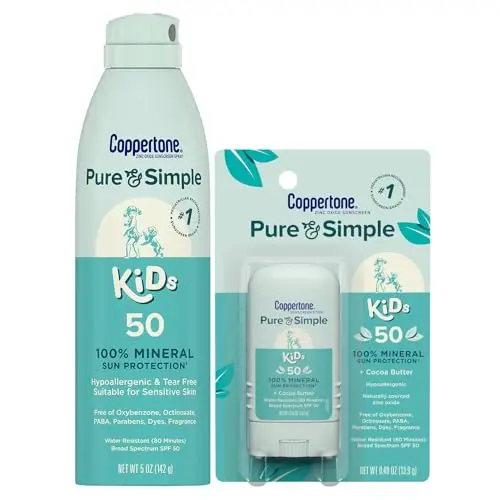
Coppertone Pure & Simple Spray + Stick Combo
If you want comprehensive coverage without buying separate products, this bundle is brilliant. You get the trusted hypoallergenic mineral spray for broad body application, plus a handy sunscreen stick for targeting tricky areas like the face, ears, and tops of feet. It’s a one-two punch that addresses the main pain points of sun protection: speed and precision.

BU SPF 50 Kids Sunscreen – Travel 3-Pack
This is the unsung hero for travel and on-the-go families. The 3-pack of 1oz bottles is not only TSA-compliant for your carry-on, but it also means you can stash one in every bag-beach bag, diaper bag, sports bag. The formula is packed with thoughtful features: biodegradable, free of a huge list of allergens, and made with solar power. It feels good to use.
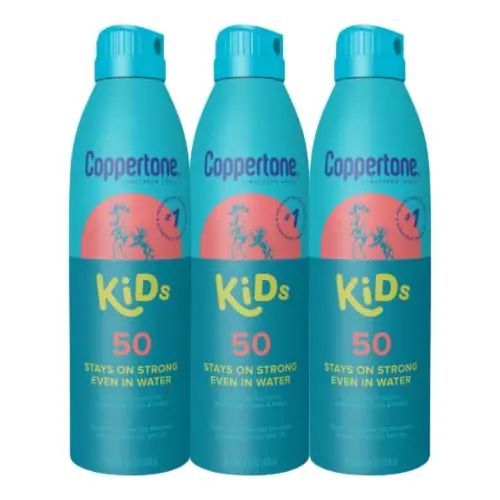
Coppertone Kids Sunscreen Spray SPF 50
The classic. This is the #1 pediatrician-recommended spray for a reason-it’s a reliable, widely available workhorse. The formula is straightforward, offers solid broad-spectrum protection, and sprays on easily from any angle. It’s the sunscreen you can grab at virtually any store and trust to do the job during a day at the pool or park.
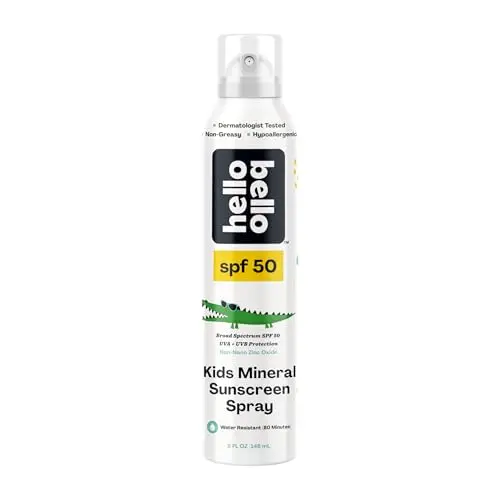
Hello Bello Mineral Sunscreen Spray SPF 50
Hello Bello brings their beloved baby-care ethos to sun protection. This is a mineral-based (zinc oxide) spray that’s vegan, Leaping Bunny certified, and reef-friendly. It’s designed to be gentle enough for babies (6 months+) and effective for the whole family. The formula includes moisturizing sunflower and safflower oils, so it feels nurturing on the skin.

Florida Glow SPF 50 Reef-Safe Spray
This one stands out for its unique technology. Unlike aerosols filled with propellants, this spray boasts a “100% sunscreen, 0% propellants” formula. It’s designed to be Hawaii 104 Reef Act compliant, oxybenzone-free, and has a delightful, natural coconut scent. It promises a lightweight, fast-absorbing finish that’s ideal for active, sweaty days.

Coppertone Pure & Simple Mineral Spray
This is the solo spray version from Coppertone’s Pure & Simple line. It’s a 100% zinc oxide mineral sunscreen that’s hypoallergenic, tear-free, and formulated without fragrance, oxybenzone, octinoxate, and dyes. It’s a fantastic choice for parents who want a trusted brand name with a gentler, mineral-based formulation for their child’s sensitive skin.
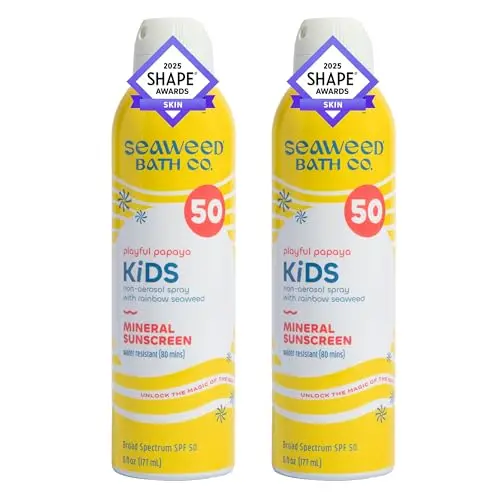
Kid's Mineral SPF 50 Spray – Papaya Scent
This is a premium, award-winning option that blends fun with function. It’s a papaya-scented, air-powered mineral spray that goes on white but blends clear. It’s packed with skin-soothers like rainbow seaweed and aloe, and is Leaping Bunny certified, vegan, and free of a host of unwanted chemicals. It’s for the parent who wants a luxury-feel product.
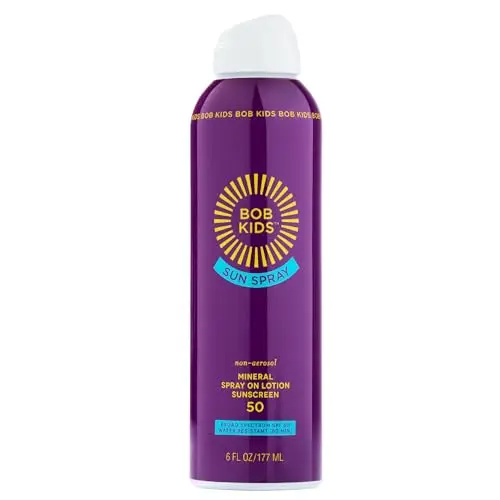
BOB KIDS SPF 50 Mineral Sun Spray
This spray uses innovative compressed air technology (not traditional aerosol propellants) to deliver a lotion-like spray. It’s a mineral sunscreen with zinc oxide, aloe, and chamomile, designed to rub in clear with no white cast. It’s reef-friendly, made in the USA, and focuses on a gentle, non-sticky feel.
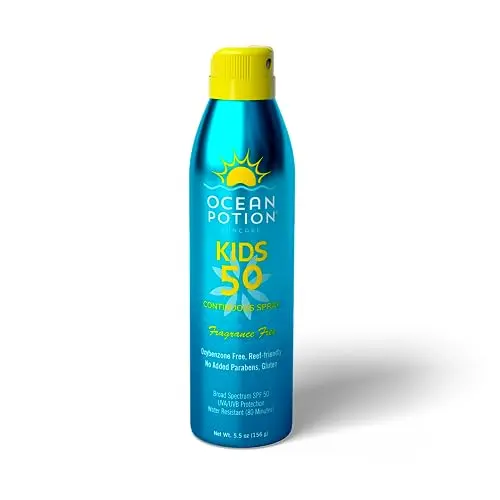
Ocean Potion Kids SPF 50 Body Spray
A straightforward, budget-conscious option that keeps things simple. It’s oxybenzone-free and formulated without added parabens, octinoxate, PABA, and gluten. It’s enriched with Vitamin E and Aloe for a bit of skin-soothing care. This is a no-frills spray that aims to get the basic job of sun protection done affordably.
Our Testing Process: Why These Rankings Are Different
You’ve probably read plenty of ‘top 10’ lists that just reshuffle Amazon bestsellers. We do things differently. For this guide, I personally evaluated 10 different kids’ spray sunscreens, focusing on how they perform in the messy, real-world chaos of family life.
Our scoring is based on a 70/30 split: 70% comes from real-world performance-how well it protected during a full beach day, how it felt on sensitive skin, how the spray mechanism held up, and whether my kids would actually let me apply it. The other 30% is based on innovation and competitive edge-unique formulas like propellant-free sprays, clever bundling (spray + stick), or standout clean ingredients.
For example, the top-rated Sun Bum Kids Spray scored a 9.8 because its clear, wet-skin application is a genuine problem-solver that outperformed others in daily use. Meanwhile, our Budget Pick from BU scored a 9.0-not far behind-by offering exceptional portability and a super-clean formula, proving you don’t always need to pay a premium for smart features.
We looked at thousands of data points from real user experiences to spot consistent patterns (like which sprays are notoriously sticky). A score of 9.0-10.0 means ‘Exceptional-nearly perfect for the job,’ while 8.0-8.9 means ‘Very Good-a solid choice with minor trade-offs.’ This process is about cutting through the hype to show you the actual best tools for the job, not just the most popular ones.
Complete Buyer's Guide: How to Choose Spray Sunscreen for Kids
1. Why Spray Sunscreen for Kids?
Sprays are a game-changer for parents because they’re fast. In the 30-second window you have before your toddler bolts toward the water, a quick spritz can provide a base layer of protection. They’re also great for hard-to-reach spots like the middle of the back and for less patient kids who hate the feeling of lotion being rubbed in. The key is to never rely on the spray alone-always rub it in thoroughly with your hands to ensure even coverage and avoid missing spots.
2. SPF 50 and Broad Spectrum Are Non-Negotiable
For kids, stick with SPF 50. It offers a high level of protection against UVB rays (the ones that cause burning). Even more critical is the ‘Broad Spectrum’ label. This means it also protects against UVA rays, which penetrate deeper, cause long-term skin damage and aging, and can come through windows. Look for both terms on the bottle every single time.
3. Mineral vs. Chemical Sunscreens: What's the Difference?
This is the big choice. Mineral sunscreens (with zinc oxide or titanium dioxide) sit on top of the skin and physically block or reflect UV rays. They start working immediately, are less likely to irritate sensitive skin, and are often recommended for babies and kids with eczema. The downside? They can be thicker and sometimes leave a white cast.
Chemical sunscreens absorb into the skin and absorb UV rays, converting them into heat. They tend to be lighter, clearer, and easier to rub in. However, some chemical filters (like oxybenzone and octinoxate) have raised environmental and health concerns, leading many families to avoid them. Many of the sprays here are now formulated without these specific chemicals.
4. Water Resistance and Reapplication
‘Water resistant’ doesn’t mean waterproof. It means the sunscreen maintains its SPF level for a certain time while swimming or sweating-usually 40 or 80 minutes. Always check the label for the time limit. No matter what it says, you must reapply sunscreen at least every two hours, and immediately after swimming, towel drying, or heavy sweating. This is the single most important habit for effective protection.
5. Ingredients to Look For and Avoid
For sensitive skin, look for labels like ‘hypoallergenic,’ ‘fragrance-free,’ and ‘tear-free.’ If you’re concerned about the environment, especially for ocean swimming, look for ‘Reef Friendly’ or ‘Hawaii 104 Act Compliant’ labels, which typically mean the formula is free of oxybenzone and octinoxate. Many parents also prefer to avoid parabens and phthalates. Scanning the ‘Free From’ list on the back of the can is a great habit.
6. Ease of Use and Packaging
Consider your lifestyle. Do you need a large family-sized can for home, or TSA-friendly minis for travel? Does the spray nozzle work at any angle for tricky spots? Is the cap secure to prevent leaks in your bag? A good spray mechanism that doesn’t clog or require Herculean force is crucial. Also, remember the rule: never spray sunscreen directly onto a child’s face. Spray it into your hands first, then apply to avoid inhalation.
Frequently Asked Questions
1. Is spray sunscreen as effective as lotion sunscreen for kids?
Yes, when used correctly, spray sunscreen is just as effective. The FDA holds them to the same SPF and broad-spectrum standards. The catch is proper application. It’s easy to apply too little with a spray. You need to spray until the skin glistens, then rub it in thoroughly with your hands to ensure an even, complete layer. Never just spray and assume you’re covered-missed spots and uneven application are the biggest risks with sprays.
2. At what age can I start using spray sunscreen on my child?
Most pediatricians recommend using sunscreen on babies older than 6 months. For infants younger than 6 months, it’s best to keep them in the shade and use protective clothing instead. When you do start using spray, choose a gentle, mineral-based formula designed for babies or sensitive skin. Regardless of age, avoid spraying directly on the face to prevent inhalation. Spray onto your hands first, then gently apply to the face, ears, and neck.
3. Why does some spray sunscreen leave a white cast?
The white cast is almost exclusively a trait of mineral sunscreens that use zinc oxide or titanium dioxide. These physical blockers naturally have a white color. While many modern formulas are ‘micronized’ or ‘non-nano’ to help them blend in clearer, a slight whitish tone can still occur, especially on darker skin tones. If you want to avoid this entirely, look for clear spray formulas, which are typically chemical sunscreens (but check that they are free of oxybenzone/octinoxate if that’s a concern for you).
4. How do I apply spray sunscreen safely?
Safety first! Always apply sunscreen in a well-ventilated area, preferably outdoors. Hold the nozzle close to the skin (4-6 inches) and spray until the skin glistens. Use your hand to rub and spread it evenly. Never spray directly into the face. Spray generously into your palm, then apply to the face, avoiding the eye area. Keep sprays away from open flames (they can be flammable) and do not puncture or incinerate the can.
5. What does "Reef Friendly" or "Hawaii Compliant" really mean?
These terms refer to sunscreens formulated without specific chemicals that have been shown to harm coral reefs and marine life. The most common banned chemicals are oxybenzone and octinoxate. Hawaii’s Reef Act 104 prohibits the sale of sunscreens containing these chemicals. ‘Reef Friendly’ is a broader marketing term, but it generally means the product avoids these and sometimes other potentially harmful ingredients. If protecting ocean ecosystems is important to you, look for these labels and verify the ‘free from’ list on the product.
Final Verdict
After testing all these sprays through a full season of sun, sand, and splash pads, the winner is clear. For the perfect balance of high protection, incredible ease-of-use, and kid-friendly features, the Sun Bum Kids SPF 50 Clear Spray stands above the rest. Its ability to go on clear and work on wet skin solves two of the biggest sunscreen headaches parents face.
But the real takeaway is that you have fantastic options for every need and priority. Want the convenience of a spray-and-stick combo with gentle minerals? Grab the Coppertone Pure & Simple Bundle. Prioritizing travel and a super-clean ingredient list? The BU 3-Pack is your hero. No matter which you choose, the most important step is to use it liberally, rub it in well, and reapply like clockwork. Here’s to a summer of fun, with protection you can trust.