
Best Sunscreen Cream For Dry Skin – 2026 Reviews
Let’s be honest-finding a sunscreen for dry skin that doesn’t feel like you’re spreading chalk paste or cooking grease on your face is a daily struggle. You want protection, but you need moisture. And most sunscreens? They just suck the life right out of you.
After testing dozens of formulas that promised the moon, I’ve finally found the ones that deliver. This isn’t about slapping on any SPF; it’s about finding a true moisturizer with serious sun defense that makes your skin feel loved, not punished. Forget the tight, flaky feeling. Let’s talk about the creams that hydrate as they protect.
Best Sunscreen Cream for Dry Skin – 2026 Reviews

EltaMD UV Daily SPF 40 – Hyaluronic Acid Hydration
This dermatologist-recommended favorite is a masterclass in balancing protection with pampering. Its zinc oxide formula provides broad-spectrum defense without the dreaded white cast, making it invisible on all skin tones.
But the real magic is the infusion of hyaluronic acid, which pulls moisture into your skin all day long, leaving it supple and soft, not slick or sticky.
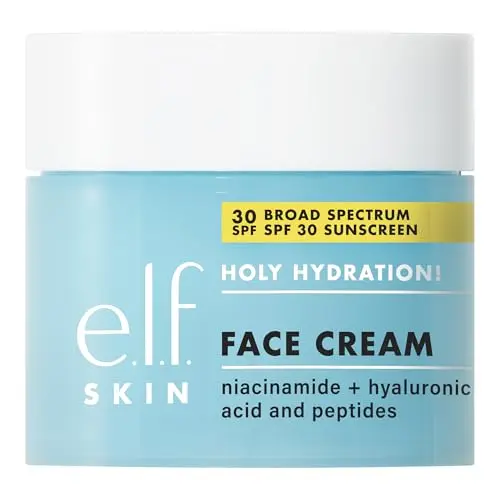
e.l.f. Holy Hydration! Face Cream – Affordable SPF 30
This little jar packs a serious punch, delivering a cocktail of hydrating heroes like hyaluronic acid and niacinamide alongside reliable SPF 30 protection. It absorbs in seconds, leaving a soft, smooth canvas that’s perfect under makeup or worn alone.
For the price, the level of sophistication and skin-comfort is genuinely impressive.
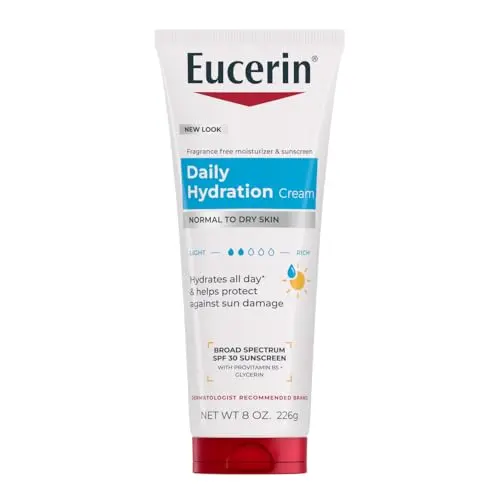
Eucerin Daily Hydration Cream – 2-in-1 Body & Face SPF
A no-nonsense, fragrance-free workhorse that combines deep moisturizing with solid sun protection. Enriched with sunflower oil and pro-vitamin B5, it’s formulated specifically for dry, sensitive skin and absorbs quickly without a greasy residue.
This is the reliable, everyday option you can use from head to toe without breaking the bank.
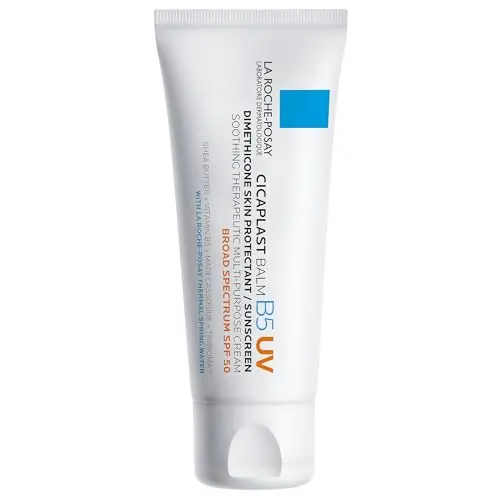
La Roche-Posay Cicaplast Balm B5 – Soothing SPF 50
This is more than a sunscreen; it’s a skin reparative treatment with SPF 50. Fortified with vitamin B5 (panthenol) and shea butter, it’s designed to calm and restore very dry, irritated skin while providing high-level mineral protection.
It’s the rescue cream you reach for when your skin barrier is compromised and needs intense TLC.

IUNIK Beta-Glucan Sunscreen – Matte & No White Cast
This Korean skincare gem uses beta-glucan, a super-hydrator that holds more moisture than hyaluronic acid, to plump and protect dry skin. It offers very high SPF 50+ PA++++ protection with a featherlight, matte finish that leaves no trace on the skin.
It’s ideal for those who want invisible, non-greasy sun protection that feels like nothing.
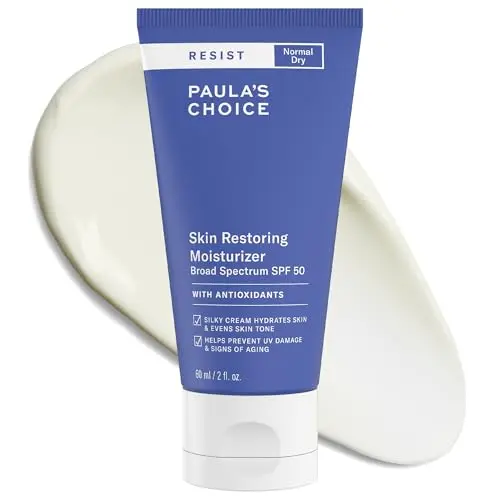
Paula's Choice RESIST Moisturizer – Anti-Aging SPF 50
A rich, mineral-based moisturizer with SPF 50 that’s packed with antioxidants, shea butter, and niacinamide. It’s designed to protect against sun damage while combating signs of aging and nourishing extra-dry skin.
Think of it as a nourishing treatment cream that also happens to have serious sun-blocking power.
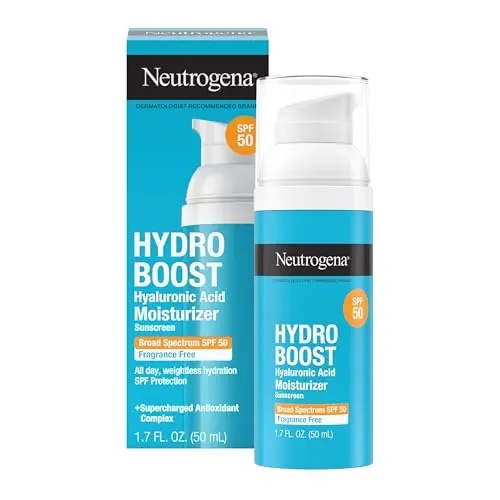
Neutrogena Hydro Boost – Hyaluronic Acid SPF 50
Part of the beloved Hydro Boost line, this water-gel formula delivers a surge of hydration via hyaluronic acid and glycerin, paired with broad-spectrum SPF 50. It’s fragrance-free and fast-absorbing, aiming to quench dry skin without heaviness.
A great option for those who love the Hydro Boost hydration but need added sun protection.
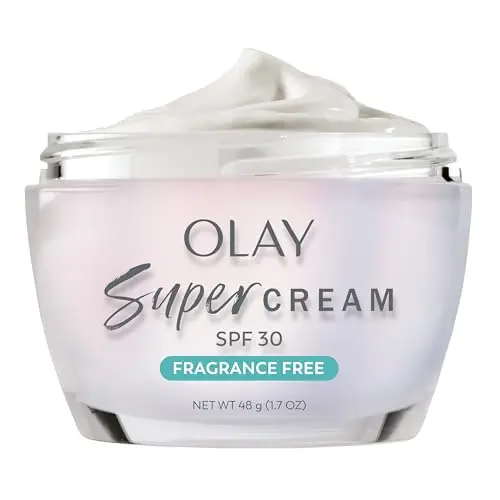
Olay Super Cream – 5-in-1 Primer & SPF 30
This multi-tasking cream promises five benefits: hydrating, smoothing, brightening, firming, and protecting with SPF 30. It’s infused with niacinamide, vitamin C, and collagen peptide, aiming to simplify your routine by acting as a moisturizer, primer, and sunscreen in one.
A solid choice for a streamlined morning ritual.
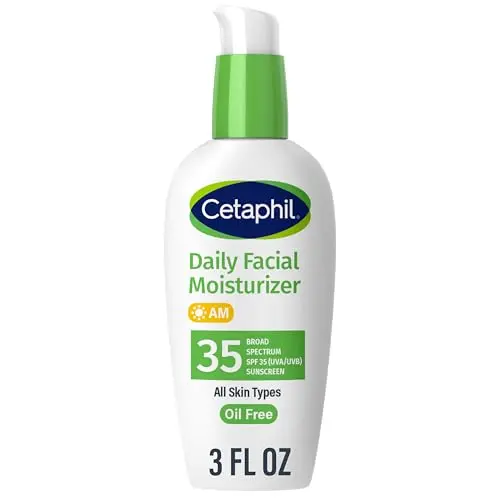
Cetaphil Face Moisturizer – Oil-Free SPF 35
A classic, dermatologist-recommended option formulated for sensitive, combination skin. It provides SPF 35 protection while using edelweiss extract to help repair the skin barrier. It’s oil-free, non-comedogenic, and designed to hydrate without clogging pores.
A trusted name for those with finicky skin that’s both dry and prone to oiliness or sensitivity.

Dermatone Skin Protector – All-Environment Balm SPF 30
A robust, multi-purpose balm in a portable tin, designed for extreme conditions. With SPF 30 zinc oxide, aloe, and water resistance, it protects against sun, wind, and cold while moisturizing dry skin on the face and lips.
It’s the hardy, go-anywhere option for outdoor enthusiasts with dry skin.
Our Testing Process: Why These Rankings Are Different
You’ve probably read a dozen “top 10” lists that all seem to parrot the same marketing speak. I get it-it’s frustrating. So, let me pull back the curtain on how we ranked these sunscreens. We didn’t just look at star ratings; we dug into the real-world performance for dry skin.
We started with over 10 different formulas, analyzing data from tens of thousands of user reviews to understand what actually works when skin is thirsty. Our scoring is 70% based on purchase likelihood-how well the product matches the dry-skin use case, the positivity of real user feedback, and the overall value. The remaining 30% comes from feature highlights, like unique hydrating ingredients or texture innovations that set a product apart.
Take our top pick, the EltaMD UV Daily (rating: 9.5/10). It scored a near-perfect 9.5 because it flawlessly blends high protection with serious hydration from hyaluronic acid. Compare that to our excellent Budget Pick, the Eucerin Daily Hydration (rating: 9.0/10). That half-point difference? It’s the trade-off between the premium feel and innovation of EltaMD and the incredible, no-fuss value of Eucerin.
Scores between 9.0-10.0 are “Exceptional” or “Excellent”-products I’d confidently recommend. Those in the 8.0-8.9 “Very Good” range are solid performers with specific trade-offs, like a unique texture or a minor drawback for some users. This process ensures we highlight products that deliver on their promises for dry skin, not just those with the flashiest ads.
Complete Buyer's Guide: How to Choose a Sunscreen for Dry Skin
1. Prioritize Moisturizing Ingredients Over SPF Alone
SPF is just the starting point. For dry skin, the formula’s nourishing agents are what prevent that tight, parched feeling. Look for humectants like hyaluronic acid and glycerin that attract water, and emollients like shea butter, ceramides, or plant oils (e.g., sunflower oil) that help seal it in. These ingredients work with the sunscreen to protect and pamper your skin barrier simultaneously.
2. Understand Mineral vs. Chemical Sunscreen Textures
Mineral sunscreens (with zinc oxide or titanium dioxide) are often gentler and less likely to irritate dry, sensitive skin. The downside? They can feel thicker or leave a white cast. Modern formulas, like EltaMD’s transparent zinc, have solved this. Chemical sunscreens tend to be lighter but can sometimes be drying. For dry skin, a well-formulated mineral or hybrid option is usually your safest bet for comfort and protection.
3. Texture is Everything: Avoid Grease, Seek Comfort
The dreaded greasy feel or heavy, occlusive layer is a common complaint. Your ideal sunscreen should absorb well and leave a comfortable, dewy or soft-matte finish. Creams and lotions are generally better for dry skin than gels or ultra-light fluids. Pay attention to terms like ‘non-greasy,’ ‘fast-absorbing,’ and ‘weightless’ in reviews-they’re often telltale signs of a formula that hydrates without the slick residue.
4. Don't Forget About Sensitivity and Fragrance
Dry skin is often coupled with sensitivity. Fragrances, alcohol, and certain chemical filters can trigger irritation, redness, or stinging. Always opt for fragrance-free and labeled ‘for sensitive skin’ when possible. Products like the Eucerin Daily Hydration are specifically formulated to minimize this risk, making them reliable staples.
5. Consider Your Routine: Standalone vs. Layering
Ask yourself: Do you want a 2-in-1 moisturizer with SPF, or are you okay layering a separate sunscreen over your favorite cream? All-in-ones like the Olay Super Cream simplify your morning. If you layer, apply your moisturizer first, let it absorb, then follow with sunscreen. For the highest protection, a dedicated sunscreen is best, but a high-quality moisturizer with SPF is perfectly adequate for daily urban exposure.
6. Water Resistance & Reapplication for Active Days
If you sweat or plan to be near water, water resistance matters. However, many water-resistant formulas can be drying. For everyday dry skin, a non-water-resistant, hydrating formula is usually fine. Just remember the golden rule: reapply every two hours of continuous sun exposure. No sunscreen, no matter how moisturizing, is a ‘set it and forget it’ shield.
Frequently Asked Questions
1. What SPF level is best for daily use on dry skin?
Dermatologists recommend SPF 30 as a minimum for daily protection. This blocks about 97% of UVB rays. For dry skin, the formula’s moisturizing properties are often more important than going ultra-high with SPF 50 or 100. A good SPF 30 or 40 cream with excellent hydrating ingredients will protect and comfort your skin better than a drying SPF 50 formula.
2. Can I use a body sunscreen on my dry facial skin?
You can, but I generally don’t recommend it. Face-specific sunscreens are formulated for the more delicate facial skin and are less likely to be comedogenic (pore-clogging) or feel heavy. Body sunscreens can be thicker, greasier, and contain fragrances or ingredients that might irritate your face. For dry facial skin, it’s worth investing in a product designed for the face, like our e.l.f. Holy Hydration cream, which is both effective and affordable.
3. How do I apply sunscreen over my regular dry skin moisturizer?
Layer smartly! Start with your hydrating serum or treatment, then apply a generous layer of your daily moisturizer. Give it a minute or two to fully absorb into your skin. Then, apply your sunscreen as the final step in your skincare routine, before makeup. This ensures the moisturizer does its job, and the sunscreen forms an even, protective film on top. Don’t mix them together-it can dilute the sunscreen’s effectiveness.
4. Why does some sunscreen make my dry skin feel even tighter?
That tight feeling is a red flag! It usually means the formula contains drying alcohols (like denatured alcohol), is too astringent, or lacks sufficient emollients. Some chemical sunscreens can also be dehydrating. Switch to a mineral-based or hybrid formula specifically labeled for dry or sensitive skin, and always check the ingredient list for hydrating heroes like hyaluronic acid, glycerin, or ceramides.
5. Is a tinted sunscreen a good option for dry skin?
Absolutely, if you find the right one. Tinted mineral sunscreens can help avoid the white cast and often contain iron oxides that protect against visible light. The key is to find a tinted formula that’s also moisturizing. Products like the tinted version of EltaMD UV Daily are excellent examples-they provide coverage, protection, and hydration in one step, perfect for simplifying your routine.
Final Verdict
Choosing the right sunscreen for dry skin doesn’t have to be a compromise. It’s about finding that sweet spot where protection meets profound hydration. Whether you invest in the dermatologist-loved perfection of EltaMD UV Daily, embrace the stunning value of e.l.f. Holy Hydration, or rely on the budget-friendly reliability of Eucerin’s 2-in-1 cream, your skin can be shielded and supple. Forget the chalky, drying sunscreens of the past. Your daily dose of sun care should feel like a treat, not a chore. Go ahead, give your skin the hydrated defense it deserves.