
Best Sunscreen For Retinol Users – 2026 Reviews
Let’s be honest-using retinol is a bit of a high-wire act. You’re balancing that amazing, skin-smoothing magic with the very real risk of turning into a sensitive, sun-averse vampire. I’ve been there, slathering on the good stuff at night only to panic about daylight. The absolute non-negotiable? A phenomenal sunscreen that doesn’t just sit on top of your skin or, worse, sting and pill.
Finding that perfect layer of protection is the real trick. It needs to be gentle enough for retinoid-sensitized skin, offer serious broad-spectrum defense, and play nice under makeup or on its own. After testing a mountain of options, I’ve cut through the hype to find the formulas that truly work with your retinol routine, not against it.
Best Sunscreen for Retinol Users – 2026 Reviews

ISDIN Eryfotona Actinica – Ultimate Sun Damage Repair
This is the gold standard for retinol users who are serious about repair and protection. It’s a 100% mineral formula that feels like a luxurious serum, absorbing instantly with zero white cast. Beyond just shielding you, its patented DNA Repairsomes technology actually helps fix existing sun damage-a game-changer for anti-aging.

CeraVe Invisible Mineral Sunscreen – Best Budget Guard
Proof that effective, sensitive-skin-friendly protection doesn’t have to break the bank. This 100% mineral sunscreen boasts CeraVe’s signature ceramides to reinforce your skin barrier and a truly invisible finish on all skin tones. It’s a no-fuss, reliable daily defender.

La Roche-Posay Anthelios UV Correct – High-Powered Correction
When you need maximum firepower, this SPF 70 moisturizer delivers. It combines very high protection with niacinamide to even skin tone and smooth texture, directly addressing common retinoid concerns like redness and unevenness. The lightweight, non-greasy feel defies its high SPF number.
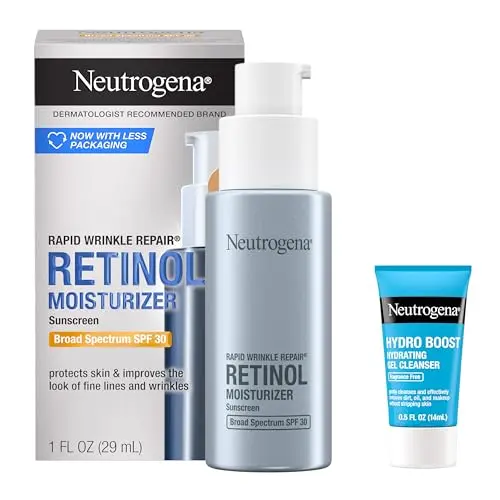
Neutrogena Rapid Wrinkle Repair – Retinol & SPF Combo
This is a fantastic all-in-one for simplifying your routine. It packs encapsulated retinol and hyaluronic acid into a daily moisturizer with SPF 30. You get the anti-aging benefits of retinol alongside daytime protection in a single, dermatologist-tested step.

La Roche-Posay Anthelios Mineral – Tinted Matte Favorite
A cult-favorite for a reason. This tinted mineral fluid provides a natural, matte finish and SPF 50 protection. The universal tint eliminates white cast and gives a healthy glow, making it perfect for no-makeup days or as a perfecting base.

Fusion Water MAGIC – Ultra-Light Hydration
This feels like wearing nothing at all. An award-winning, water-light sunscreen that sinks in immediately, offering SPF 40 and a cocktail of hydrating ingredients like hyaluronic acid. It’s ideal for those who despise any heaviness or residue on their skin.

CeraVe Anti-Aging Cream – Barrier-Focused Retinol
A gentle introduction to retinol with the safety net of SPF 30 and skin-barrier-loving ceramides. This cream is designed to renew skin without irritation, making it a cautious and effective choice for retinol beginners or those with reactive skin.

The Ordinary UV Filters – Serum Sunscreen Innovation
The Ordinary disrupts the category with a true serum sunscreen. This SPF 45 formula has a unique, fluid texture that provides high protection with a skin-like feel. It’s designed to be utterly blendable and non-comedogenic for all skin types.
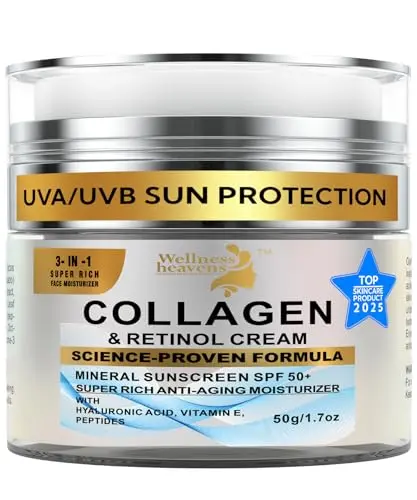
Wellness Heavens All-in-One – Multi-Tasking Moisturizer
A potent cocktail of anti-aging actives-SPF 50+, retinol, collagen, and hyaluronic acid-in one jar. It aims to simplify your routine dramatically by hydrating, treating, and protecting in a single silky step.
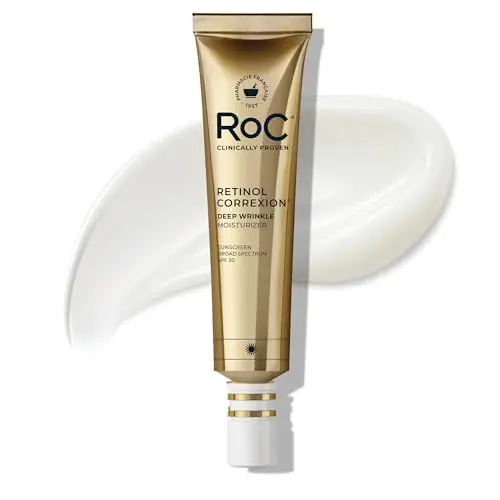
RoC Retinol Correxion – Classic Retinol Defender
A long-trusted name in retinol, this daily moisturizer pairs their proven wrinkle-fighting formula with SPF 30. It’s a straightforward, effective option for those already loyal to the RoC brand and its results-driven approach.
Our Testing Process: Why These Rankings Are Different
I know what you’re thinking-another list of sunscreens with pretty pictures. What makes this one actually useful? We started with over 10 top-rated products and combed through thousands of real user experiences to cut through the marketing. Our score isn’t just about popularity; it’s 70% based on real-world performance for retinol users (think: gentleness, no irritation, seamless wear) and 30% on genuine innovation (like DNA repair or barrier-supporting tech).
We looked at everything from budget-friendly staples to premium treatments, ensuring there’s a legitimate option for every priority. For example, our top-rated ISDIN Eryfotona scored a near-perfect 9.5 for its invisible mineral protection and repair enzymes, while our excellent Budget Pick, CeraVe’s Invisible Mineral Sunscreen, earned a 9.1 by delivering cast-free protection at a fraction of the cost. That small score difference? It’s the trade-off between cutting-edge science and exceptional everyday value.
Scores between 9.0 and 10.0 mean Exceptional or Excellent-products you can buy with high confidence. An 8.0 to 8.9 is Very Good, indicating a solid performer with minor caveats. We’re here to give you data-driven insights, not just reshuffle bestseller lists, so you can find the sunscreen that truly fits your sensitive, retinol-enhanced skin.
Complete Buyer's Guide: How to Choose Sunscreen for Retinol-Treated Skin
1. SPF Level & Broad-Spectrum Are Non-Negotiable
With retinol making your skin more photosensitive, SPF 30 is the absolute minimum, but I strongly recommend SPF 50 or higher for daily use. More crucial than the number is broad-spectrum protection, which shields against both UVA (aging) and UVB (burning) rays. Look for these words on the label-they’re your first line of defense.
2. Mineral vs. Chemical: Which is Gentler?
This is a big one for sensitive skin. Mineral sunscreens (with zinc oxide or titanium dioxide) sit on top of the skin, reflecting UV rays. They’re often less likely to cause irritation or stinging, making them a safer bet for many retinol users. Chemical sunscreens absorb UV rays and can be more elegant but sometimes trigger sensitivity. If your skin is reactive, start with mineral.
3. Key Ingredients to Soothe & Support
Your sunscreen should do more than just protect; it should help calm and reinforce your skin barrier. Hunt for formulas with niacinamide (to reduce redness), ceramides (to repair the lipid barrier), hyaluronic acid (for hydration), and antioxidants like Vitamin E. These ingredients work in tandem with your retinol to keep skin resilient and healthy.
4. Texture, Finish, and No White Cast
If you’re going to wear it every day, you have to love how it feels. Lightweight, non-greasy textures that absorb quickly are ideal. For those with darker skin tones or who wear makeup, a truly invisible finish or a subtle tint is essential to avoid the dreaded ghostly white cast. Test how it layers with your other products.
5. Application & Reapplication Habits
Apply your sunscreen liberally as the last step in your morning routine, at least 15 minutes before sun exposure. A nickel-sized amount for the face is a good rule. Remember, reapplication every two hours is key if you’re outdoors or near windows. Consider a setting spray with SPF or a powdered sunscreen for easy touch-ups over makeup.
Frequently Asked Questions
1. Can I use retinol and sunscreen together?
Absolutely, and you must! Retinol increases your skin’s sensitivity to sunlight, making it more prone to damage and burning. Sunscreen is not optional-it’s a critical partner. Use retinol at night as directed, and always apply a broad-spectrum sunscreen every single morning, regardless of the weather or your indoor plans.
2. What SPF is best when using retinol?
Dermatologists recommend SPF 30 as a daily minimum, but for retinol users, I advise going for SPF 50 or higher for optimal protection. The higher SPF gives you a better safety margin, especially on sunny days or if you have fair or very sensitive skin. The most important factor is that it’s labeled broad-spectrum.
3. Should I use a mineral or chemical sunscreen with retinol?
There’s no one-size-fits-all answer, but mineral sunscreens are often recommended for those experiencing irritation from retinol. They tend to be gentler and less likely to sting sensitive skin or eyes. However, many modern chemical or hybrid formulas are also beautifully tolerated. If your skin is reactive, start with a mineral formula like our top pick from ISDIN or budget pick from CeraVe.
4. My sunscreen pills when I apply it over my retinol moisturizer. What should I do?
Pilling is the worst! It usually happens when formulas with different bases (like silicone vs. water) don’t mix well. The fix? Let each layer fully absorb. Apply your retinol product at night. In the morning, after cleansing, apply a light moisturizer if needed, wait a few minutes, then apply your sunscreen. Using a sunscreen with a more fluid, serum-like texture (like The Ordinary’s UV Filters) can also help prevent pilling.
5. Do I need a separate moisturizer if my sunscreen is hydrating?
Not necessarily! Many sunscreens, especially those labeled as moisturizers or containing hyaluronic acid and ceramides, provide ample hydration for most skin types. If you have very dry skin, you might still want a light moisturizer underneath. Listen to your skin-if it feels comfortable and protected with just the sunscreen, you’ve simplified your routine perfectly.
Final Verdict
After putting these formulas through their paces, the choice comes down to your specific needs and skin’s personality. For the ultimate in invisible protection and sun damage repair, the ISDIN Eryfotona Actinica is in a league of its own. If you’re looking for the best everyday value that disappears on your skin and strengthens your barrier, the CeraVe Invisible Mineral Sunscreen is impossible to beat. Remember, the best sunscreen is the one you’ll wear consistently-so find a texture and finish you love, and make it your non-negotiable morning habit.