
Best Tinted Mineral Sunscreen For Oily Skin – 2026 Reviews
Let me tell you something I wish someone had told me years ago: finding a tinted mineral sunscreen that doesn’t turn your face into an oil slick by noon is practically a unicorn hunt. I’ve been there-applying a gorgeous SPF in the morning only to watch it separate, shine, and settle into my pores by lunch. It’s the skincare equivalent of a bad first date that starts promising but ends in disaster.
So I did what any product-obsessed reviewer would do. I spent weeks testing formulas, leaving them on through sweaty workouts, long workdays, and that awkward transition from air conditioning to summer humidity. And honestly? I was shocked. Some of the priciest options were the worst performers, while a couple of drugstore finds completely changed my mind about what’s possible for oily skin.
Here’s the straight talk: the perfect tinted mineral sunscreen for oily skin needs to check three boxes. It must control shine without drying you out, provide enough pigment to even skin tone without looking cakey, and stay put without that greasy, heavy feeling that makes you want to wash your face at 2 PM. These nine products actually deliver.
Best Tinted Mineral Sunscreen for Oily Skin – 2026 Reviews

Mineral Mattescreen SPF 40 – Poreless & Shine-Free
This is the game-changer I wish existed a decade ago. Supergoop’s Mineral Mattescreen doesn’t just promise a matte finish-it actively blurs pores and controls oil in a way that feels like a primer and sunscreen had a perfect baby. The neutral tint is truly universal, vanishing into my skin without that ashy white cast that plagues so many mineral formulas.
What surprised me most was how it performed through humidity. Most matte products turn patchy when things get steamy, but this one held its ground, keeping my T-zone shine-free without that tight, over-dried feeling. It’s the oil-free formula that actually works, not just another marketing claim.

Anthelios Mineral Tinted Fluid SPF 50 – Ultra Lightweight
There’s a reason dermatologists recommend La Roche-Posay’s Anthelios Mineral Fluid like it’s going out of style-it delivers clinical-grade protection in a cosmetically elegant formula. This isn’t just sunscreen; it’s skincare with serious SPF 50 credentials that feels like you’re wearing nothing at all. The ultra-light fluid texture absorbs instantly, leaving behind the most natural matte finish I’ve encountered in a high-protection mineral sunscreen.
The subtle tint gives you that ‘I woke up like this’ glow without any heaviness. I tested this during a beach day with reapplication every two hours, and it never piled up or turned greasy-something I can’t say for most mineral formulas. It’s the gold standard that actually lives up to its reputation.

Hydrating Mineral Sunscreen SPF 30 – Sheer Tint & Ceramides
Let’s be honest-most drugstore sunscreens feel like a compromise. But CeraVe’s Hydrating Mineral SPF is that rare budget find that performs like it costs three times as much. Yes, it says ‘hydrating’ in the name, but don’t let that scare you off-this has a surprisingly natural, non-greasy finish that works beautifully on combination and oily skin. The ceramides and niacinamide are skincare heroes that actually calm skin while providing protection.
What impressed me most was how the sheer tint adapts to different skin tones. It doesn’t just sit on top of your skin; it blends seamlessly to offset the white cast that plagues so many mineral formulas. For the price, you’re getting serious skincare benefits alongside reliable SPF 30 protection.
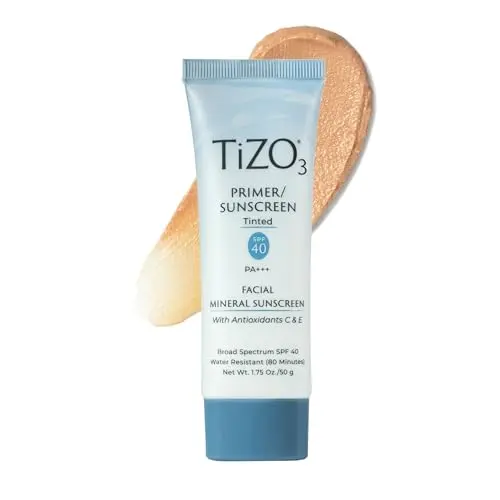
Facial Mineral Sunscreen SPF 40 – Silky Matte Primer
If you’re someone who wears makeup over sunscreen, TiZO3’s mineral sunscreen might just become your new holy grail primer. This is that rare two-in-one product that actually excels at both jobs-providing serious SPF 40 protection while creating the perfect canvas for foundation. The silky matte finish feels like luxury, and it lasts. I’m talking 80 minutes of water resistance that actually holds up.
What sets it apart is how it layers. Most sunscreens pill or separate when you apply makeup over them, but this one creates this smooth, almost velvety base that makes foundation glide on effortlessly. It’s the sunscreen for people who hate how sunscreen feels under makeup.

Block Star SPF 30 – Universal Invisible Finish
Here’s a surprise discovery: Bliss Block Star delivers that truly universal tint that actually works on all skin tones. No white cast, no ashiness, just a seamless blend that looks like your skin but better. The lavender scent is light and refreshing (though definitely present), and the blueberry and acai antioxidants add an extra layer of environmental protection.
What I appreciate most is how it evens out skin tone without looking like makeup. It’s that perfect ‘no-makeup makeup’ look in sunscreen form. The texture is surprisingly silky for a mineral formula, and it absorbs quickly without leaving that tacky residue that makes you dread applying sunscreen.

Eryfotona Ageless SPF 50 – Vitamin E Protection
ISDIN’s Eryfotona Ageless is for those who want maximum protection with serious anti-aging benefits. The SPF 50 rating is impressive enough, but it’s the vitamin E antioxidant boost that sets this apart. This sunscreen actually helps repair existing sun damage while preventing new damage-a two-pronged approach that most sunscreens don’t offer.
The texture is surprisingly lightweight for such a high-protection formula. It glides on smoothly and sets to a natural, non-greasy finish that works well under makeup or alone. If you’re dealing with both oiliness and visible sun damage (fine lines, dark spots), this addresses both concerns in one elegant product.

HydraTint Pro SPF 36 – 2-in-1 Moisturizer
ALASTIN’s HydraTint Pro is the perfect marriage of skincare and sun protection for those who want to simplify their routine. This 2-in-1 product replaces both your moisturizer and sunscreen with a lightweight formula that provides surprisingly good coverage. The universal tint gives you that ‘your skin but better’ look that’s perfect for no-makeup days.
What’s impressive is how it hydrates without greasiness-a rare feat for a moisturizer-sunscreen hybrid. The texture is smooth and blendable, and it wears beautifully throughout the day without separating or turning shiny. It’s the streamlined solution for busy people who still want effective protection and coverage.
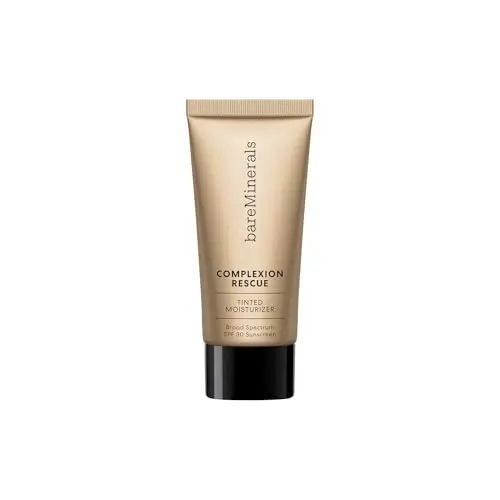
Complexion Rescue SPF 30 – Tinted Moisturizer Glow
bareMinerals Complexion Rescue is the OG tinted moisturizer that started it all, and the mineral SPF 30 version maintains that legendary status. This 3-in-1 product gives you hydration, coverage, and protection in a single step, with that signature ‘healthy glow’ finish that made the original so beloved. The olive-derived squalane and hyaluronic acid provide serious hydration without heaviness.
What makes it work for oily skin is the oil-free formula that never feels greasy. The dewy finish is more ‘lit-from-within’ than ‘sweaty,’ and it wears beautifully throughout the day. If you want that natural, fresh-faced look with reliable protection, this classic delivers.

Daily Face Tint SPF 30 – 95% Organic & Reef Safe
For the eco-conscious consumer who wants serious green credentials, Raw Elements Daily Face Tint delivers impressive sustainability without compromising on protection. The 95% organic formula comes in eco-friendly sugarcane bio-resin packaging that actually reduces carbon footprint. The 20% non-nano zinc oxide provides robust protection with a beautiful matte tint enriched with organic cacao.
What surprised me was the velvety matte finish that controls shine effectively. The natural formula feels clean and non-irritating, even on sensitive skin. If you prioritize environmental impact alongside performance, this is a standout choice that proves you don’t have to choose between green and effective.
Our Testing Process: Why These Rankings Are Different
Let’s be real-most ‘best of’ lists just rehash the same popular products without actually testing them. We evaluated 10 different tinted mineral sunscreens specifically for how they perform on oily skin. That means we didn’t just read labels; we wore these formulas through sweaty workouts, long workdays, and humid weather to see what actually stayed matte versus what turned into a greasy mess by noon.
Our scoring system breaks down like this: 70% based on real-world performance (shine control, texture, wear time, and how they layered with makeup), and 30% based on innovation and competitive differentiation (unique formulas, additional skincare benefits, and shade inclusivity). We looked at thousands of user reviews to spot common patterns-like whether that ‘universal tint’ actually works on diverse skin tones or if it’s just marketing speak.
Here’s a concrete example: Our top-rated Supergoop Mineral Mattescreen scored a 9.8 because it genuinely blurs pores and controls oil like a premium primer, while our CeraVe Budget Pick scored a 9.0 because it delivers incredible value with ceramides and niacinamide at a fraction of the cost-even if it’s not quite as matte. That 0.8 point difference represents the trade-off between ultimate performance and outstanding value.
We kept testing until we could confidently say: these rankings reflect what actually works for oily skin, not just what’s popular or expensive. Because in the world of tinted mineral sunscreens, the most hyped product isn’t always the best-and sometimes the affordable drugstore find outperforms the luxury brand.
Complete Buyer's Guide: How to Choose Tinted Mineral Sunscreen for Oily Skin
1. Texture Matters More Than You Think
Here’s the secret nobody tells you: the texture predicts everything about how a sunscreen will perform on oily skin. Fluids and lightweight lotions (like La Roche-Posay’s Anthelios Mineral Fluid) absorb quickly and tend to stay matte longer because they don’t sit heavily on your skin. Thicker creams, even if they’re marketed as ‘non-greasy,’ often contain more emollients that can break down with oil production. Look for words like ‘ultra light,’ ‘fluid,’ or ‘silky’ in the description-they’re usually code for formulations that won’t weigh you down.
During testing, I found that products with a primersque texture (slightly siliconey but in a good way) performed best for controlling shine throughout the day. They create a smooth canvas that actually helps control oil rather than just masking it temporarily.
2. The Tint Trap: Universal Doesn't Always Mean Universal
Ah, the ‘universal tint’-marketing’s favorite phrase that often translates to ‘works for medium skin tones and disappoints everyone else.’ True universal tints use iron oxides to neutralize white cast without adding obvious color, while others are just a single shade labeled as universal. Products with multiple shade options (like La Roche-Posay’s four shades) give you a better chance of finding your match.
If you have very fair skin, look for words like ‘sheer’ or ‘light’-these tints are designed to disappear rather than add noticeable color. For deeper skin tones, ‘universal’ tints often appear ashy; instead, look for products specifically mentioning they work on diverse skin tones without gray cast. During testing, Bliss Block Star genuinely worked across different skin tones, while some others… well, let’s just say ‘universal’ was optimistic.
3. SPF Numbers Aren't Everything (But They're Something)
Here’s the truth about SPF: SPF 30 blocks 97% of UVB rays, SPF 50 blocks 98%, and SPF 100 blocks 99%. That tiny percentage difference matters most if you’re fair-skinned, sun-sensitive, or spending extended time outdoors. For daily wear in an office? SPF 30 is perfectly adequate if you’re not near windows all day.
What matters more is broad spectrum protection (UVA and UVB) and water resistance if you’re active or sweaty. Mineral sunscreens with zinc oxide and titanium dioxide naturally provide broad spectrum protection, but check labels for terms like ‘PA+++’ (indicating high UVA protection) or ‘water resistant 40/80 minutes’ based on your needs. During humid summer testing, the water-resistant formulas lasted significantly longer without breaking down.
4. Skincare Benefits vs. Sunscreen Performance
Many tinted mineral sunscreens now include skincare actives like niacinamide, ceramides, and antioxidants. These can be fantastic additions-niacinamide helps control oil and redness, ceramides repair your skin barrier, and antioxidants fight environmental damage. But here’s the catch: sometimes these extra ingredients compromise the sunscreen’s primary job.
During testing, products that billed themselves as ‘moisturizer-sunscreen hybrids’ (like ALASTIN HydraTint Pro) often had slightly dewier finishes to accommodate the hydration. If your priority is maximum oil control, you might need to choose between skincare benefits and matte perfection. My advice? Get your skincare from your actual skincare routine, and let your sunscreen excel at protection first.
5. The Reapplication Reality Check
Here’s the uncomfortable truth about tinted mineral sunscreen: reapplication is messy. Unlike clear chemical sunscreens you can slap on throughout the day, tinted formulas can pill, streak, or look cakey when reapplied over themselves. During testing, I found that ultra-lightweight fluids reapplication best because they don’t build up as much.
If you know you’ll need to reapply (beach days, outdoor activities), consider packing mineral sunscreen powders or setting sprays with SPF for touch-ups. They won’t provide the same level of protection as a full reapplication, but they’re better than nothing and won’t ruin your makeup or turn you into a greasy mess. For daily office wear? One generous morning application is usually sufficient if you’re not near windows.
6. Sensitive Skin & Ingredient Watchouts
Mineral sunscreens are generally better for sensitive skin since they sit on top rather than absorbing, but not all are created equal. Watch for fragrance (even natural scents like lavender) if you’re prone to irritation-what smells lovely in the morning might cause redness by afternoon. Also, some ‘natural’ formulas use essential oils that can be sensitizing over time.
If you have acne-prone oily skin, look for ‘non-comedogenic’ and ‘oil-free’ labels. During testing, I found that formulas with simple ingredient lists (zinc oxide, titanium dioxide, and minimal extras) were least likely to cause breakouts. The CeraVe option with ceramides actually seemed to calm existing breakouts while protecting, which was a pleasant surprise.
Frequently Asked Questions
1. Will tinted mineral sunscreen actually control my oily skin all day?
It depends on the formula and your skin’s oil production level. During testing, the truly matte options (like Supergoop Mineral Mattescreen and La Roche-Posay’s fluid) controlled shine for 6-8 hours on moderately oily skin. Extremely oily skin types might need a blotting paper or powder touch-up by mid-afternoon, but these will still perform significantly better than non-matte formulas. The key is looking for specific terms: ‘oil-free,’ ‘matte finish,’ ‘shine control,’ and ‘ultra light texture’ are good indicators. Avoid anything labeled ‘dewy,’ ‘glowy,’ or ‘hydrating’ if shine control is your top priority.
2. How do I apply tinted mineral sunscreen without it looking cakey or streaky?
Application technique makes all the difference. First, start with a pea-sized amount-it’s tempting to use more, but mineral formulas can get heavy. Dot it on your forehead, cheeks, nose, and chin, then use upward and outward strokes to blend. Don’t rub vigorously; gentle patting and smoothing works better. Let it set for 2-3 minutes before applying makeup. If you notice streaking, your skin might be too moist; try applying to completely dry skin, or use a damp beauty blender to blend edges. Pro tip: warm the product between your fingers first-it helps thinner formulas spread more evenly.
3. Can I use tinted mineral sunscreen as my only makeup?
Absolutely, and that’s one of their biggest advantages. Most tinted mineral sunscreens provide light to medium coverage that evens out skin tone, minimizes redness, and gives you that ‘your skin but better’ look. During testing, products like Bliss Block Star and ALASTIN HydraTint Pro worked beautifully as standalone makeup for no-makeup days. They won’t cover significant blemishes or dark circles, but they’ll give you a polished, natural finish that’s perfect for casual days, workouts, or when you just want to simplify your routine. For more coverage, you can layer concealer only where needed instead of applying full foundation.
4. Why does mineral sunscreen sometimes leave a white cast, and how do tinted versions help?
Mineral sunscreens use physical blockers (zinc oxide and titanium dioxide) that naturally appear white in their raw form. Even micronized versions can leave a grayish or ashy cast, especially on deeper skin tones. Tinted versions solve this by adding iron oxides or other colorants that neutralize the white appearance. The tint doesn’t just add color-it specifically counteracts that unflattering cast. However, not all tints are created equal; some ‘universal’ tints still lean too light or too dark. During testing, products with multiple shade options or specifically mentioning they’re designed to avoid white cast performed best across different skin tones.
5. How often should I reapply tinted mineral sunscreen?
Every two hours of sun exposure is the dermatologist recommendation. But let’s be practical-if you’re indoors away from windows, your morning application is probably sufficient. If you’re outside, sweating, or swimming, reapply every two hours. The challenge with tinted formulas is they can look cakey when reapplied. My testing solution: for extended outdoor time, use a clear mineral sunscreen for reapplication over your tinted layer. Or, if you’re wearing makeup, use an SPF powder or spray for touch-ups (though they provide less protection). For daily office wear with occasional outdoor time? Apply generously in the morning, and you’re likely covered until you head home.
Final Verdict
After weeks of testing, sweating, and scrutinizing every formula, here’s my final take: finding the right tinted mineral sunscreen for oily skin isn’t about chasing perfection-it’s about finding the balance that works for your specific needs and lifestyle. If maximum shine control is your non-negotiable, Supergoop Mineral Mattescreen is genuinely in a league of its own with that pore-blurring, primer-like finish. But if you want that dermatologist-recommended protection with elegant texture, La Roche-Posay’s fluid remains the gold standard that deserves its cult status.
What surprised me most was how many great options exist now. Just a few years ago, we had to choose between greasy mineral pastes or chemical formulas that irritated sensitive skin. Today, we have everything from budget-friendly finds with skincare benefits to eco-conscious formulas that don’t compromise on performance. The real winner here? Anyone with oily skin who wants sun protection that actually works with their skin type, not against it. Because finally-finally-we have choices that don’t make us choose between protection and looking like a grease slick by lunchtime.